Top Fast-Growing Areas to Buy Land in Nigeria (2025 Update)
Nigeria’s real estate landscape continues to evolve fast. As urbanization, infrastructure rollout and population growth accelerate, certain cities and regions stand out as top hotspots for land investment. For investors seeking long-term value, these “growth corridors” offer especially strong potential.
Below are some of the fastest-growing areas in Nigeria — with reasons they’re worth watching in 2025 and beyond.
Why Some Areas Are Growing Faster Than Others
Before diving into specific locations, here are common forces driving growth across Nigeria:
Rapid urbanization & population influx: Cities are expanding as rural-urban migration continues in search of jobs and amenities.
Major infrastructure and industrial developments: New roads, ports, free-trade zones, industrial hubs — these projects attract businesses and housing demand.
Housing shortage and growing middle class: With demand outpacing supply for housing and land, suburbs and emerging towns offer relatively affordable opportunities.
Spillover from major metropolitan areas: As core cities get saturated and expensive, adjacent states and satellite towns benefit with more affordable land and potential growth.
Top Areas to Consider in 2025
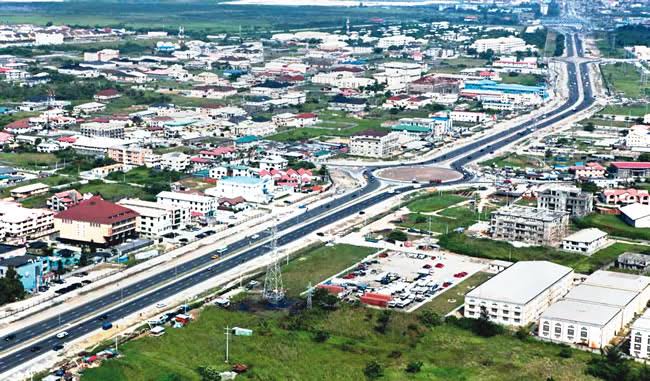
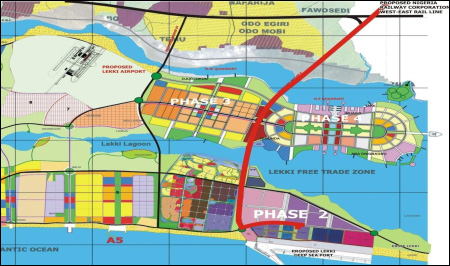
Ibeju-Lekki & Epe (Lagos State)
4
These areas have become major investment magnets owing to large infrastructure projects — including the port, free-trade zone, and related industrial plans.
Land value appreciation in Ibeju-Lekki has reportedly surged since 2020.
Ideal for both long-term investors and those looking for mid-term appreciation, given rising demand from businesses, industry workers, and people relocating to Lagos.
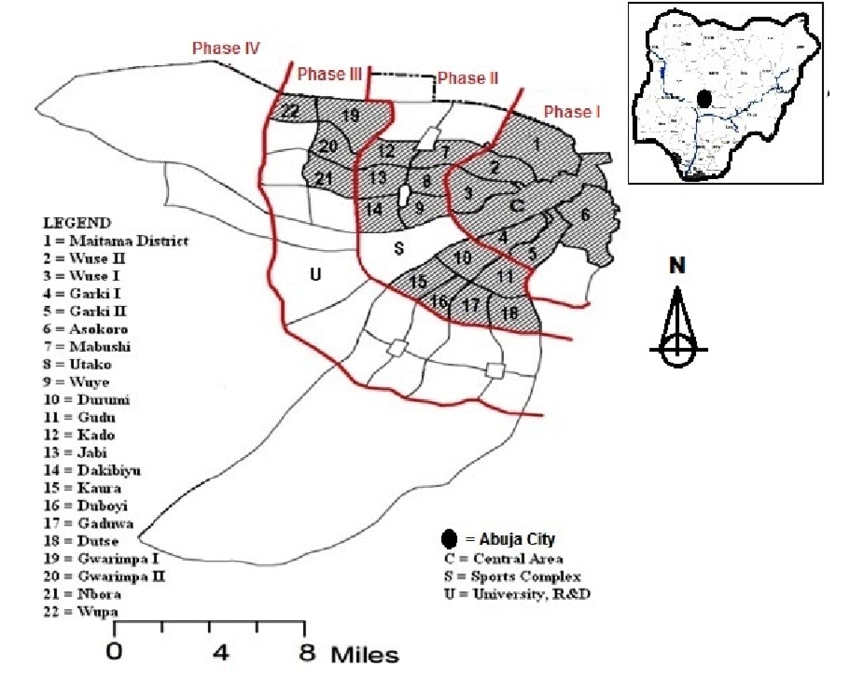
As Nigeria’s political and administrative center, Abuja continues to attract a steady influx of residents — including government workers, expatriates, corporate staff — driving property demand.
Satellite towns and suburbs like Gwagwalada, Kubwa, Lugbe, Kuje and areas such as Apo District offer more affordable land prices compared to central districts, while benefiting from ongoing expansion and infrastructure development.
For investors seeking stability with growth potential — especially those interested in long-term investments — these zones combine lower entry cost with future upside.
Ibadan (Oyo State)
4
Ibadan is emerging as a growth hub thanks to its size, improved connectivity (road and rail links), and relatively affordable land prices compared to major coastal cities.
It appeals particularly to middle-income Nigerians, first-time investors and those seeking affordable long-term land banking opportunities.
As congestion and high prices in Lagos and Abuja push buyers to look for alternatives, Ibadan presents a strategic balance of accessibility, affordability, and growth potential.
Port Harcourt (Rivers State)
4
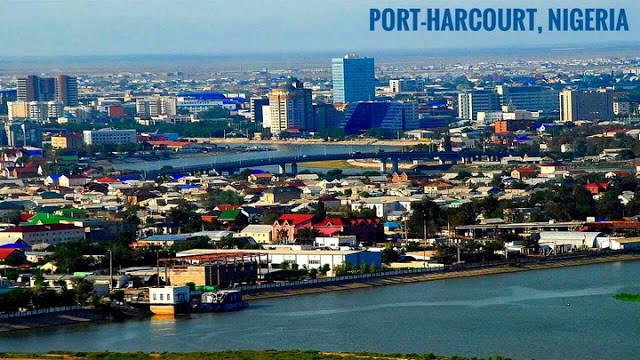
As a major oil and gas hub, Port Harcourt continues to draw business, corporate staff, and industry-driven population growth — pushing demand for residential and commercial land.
For investors targeting rental yield or corporate rentals, this city remains a viable option, particularly given consistent demand from the energy sector and associated businesses.
Good for those looking beyond Lagos/Abuja — especially if interested in commercial real estate or rental properties, rather than only pure land banking.
How to Choose the Right Growth Area for Your Goals
These zones combine growth drivers (infrastructure, urbanization, affordability) and still have room to grow.
Balanced affordability + growth
Ibadan, Abuja suburbs, Port Harcourt outskirts
Lower land prices, manageable entry cost, with rising demand.
Rental yield / short-to-mid-term return
Port Harcourt, central/satellite Abuja, emerging Lagos corridors
High demand for housing from workers, companies, and internal migration.
Diversified portfolio (residential + land banking)
Mix across Lagos corridor + Abuja + Ibadan
Spreads risk across different growth drivers and regions.
Risks & What to Watch Out For
Over-priced lands in “hype zones”: As demand surges, some areas may get overvalued early. Always verify ownership and title documents.
Infrastructure delays: Some “planned” projects may stall — this can delay appreciation.
Economic and currency volatility: Nigeria’s macroeconomic conditions can impact demand and purchasing power, especially for diaspora/international investors.
Fraud and unverified sellers: Rapid demand makes the market vulnerable to scams — due diligence is essential.
Tips for Smart Land Investment in 2025
Research beyond adverts: Use recent data, satellite maps, and government urban-planning info.
Visit the land physically — or hire a trusted agent/surveyor.
Buy early before major infrastructure projects complete, but ensure location fundamentals (access, connectivity, planned amenities) are in place.
Diversify: Don’t put all funds into one city or one type of land — spread across locations or combine land banking with rental/ commercial real estate.
Partner with verified developers or real estate firms: Prefer firms with transparent documentation history, track record, and open communication.
Conclusion
2025 is shaping up to be a pivotal year for real estate investment in Nigeria — especially for land banking. Areas like Ibeju-Lekki, satellite towns around Abuja, Ibadan, and Port Harcourt stand out as top contenders.
Whether you are a first-time investor or an experienced one, aligning your investment strategy with growth trends, risk awareness, and diligent verification can help you secure high returns. As always: do your homework, verify documentation, and buy with a long-term mindset.