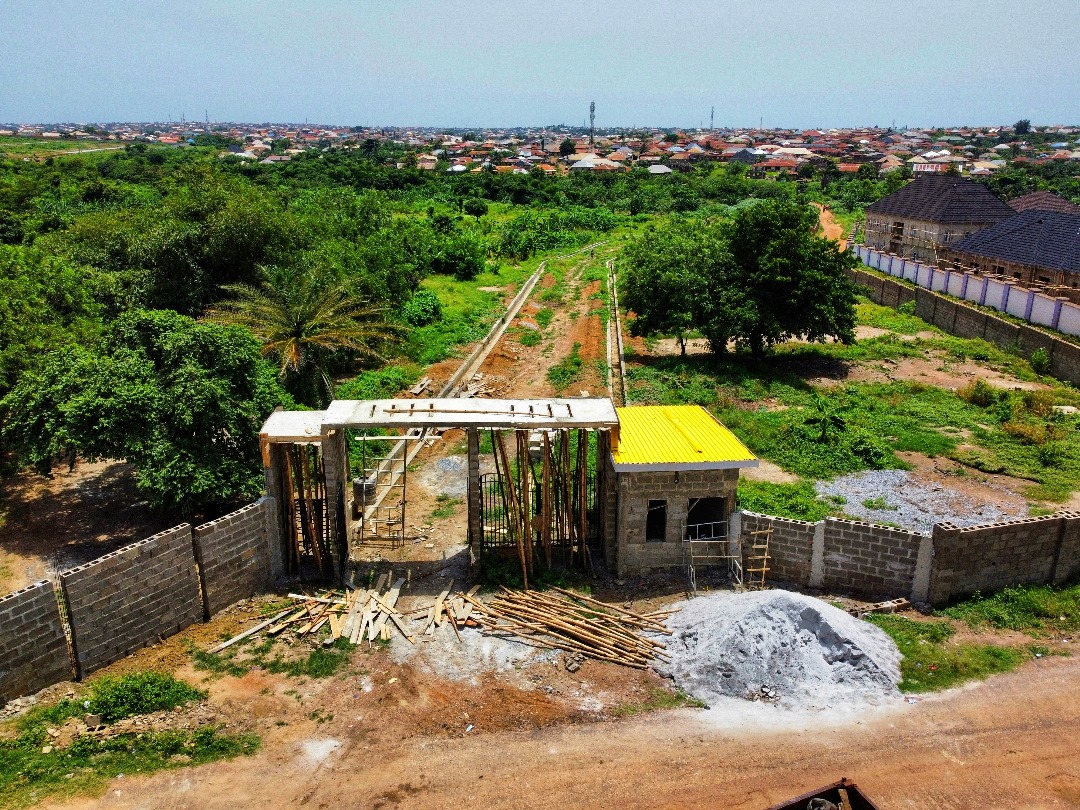
Buying land in Nigeria is one of the most rewarding investment choices—but it’s also one of the riskiest if you’re not careful. Every year, thousands of Nigerians lose money to fake sellers, forged documents, and illegal land allocations.
Whether you’re a first-time buyer or an experienced investor, understanding these scams is the first step to protecting your money.
This guide highlights the most common land scams in Nigeria and explains practical steps you can take to avoid falling victim.
1. Omo-Onile (Land Grabber) Scams
This is one of the oldest and most widespread land scams, especially in Lagos, Ogun, and Oyo.
How it works:
- Multiple “family representatives” claim ownership of the same land.
- They sell one plot to several buyers.
- They demand illegal fees (foundation fees, roofing fees, fencing fees, etc.).
How to avoid it:
- Conduct a proper search at the land registry.
- Buy from verified families with documented ownership.
- Use your own lawyer—not theirs.
- Request a deed of assignment signed by legitimate family heads.
2. Selling Government-Acquired Land
Many unsuspecting investors buy land that the government has already acquired for development or infrastructure projects.
Signs of this scam:
- Price is too cheap for the location.
- No valid documentation.
- Seller discourages you from running official searches.
How to avoid it:
- Conduct a search with the state land bureau or AGIS (for Abuja).
- Check zoning and acquisition status.
- Avoid “just trust me” sellers.
3. Fake Survey Plans
Survey forgery is a growing trend in Abuja, Lagos, and Port Harcourt.
How it works:
Scammers give you a fake survey plan that:
- Does not match the actual location
- Is copied from another property
- Has a fake Surveyor’s name or registration number
How to avoid it:
- Verify the survey at the Surveyor-General’s Office.
- Cross-check the coordinates with a licensed surveyor.
- Ensure the surveyor is registered.
4. Selling Non-Existent Land
Some fraudsters advertise plots in estates that do not exist physically.
You pay for a plot, only to later find out the land is bush, waterlogged, or even in a restricted zone.
How to avoid it:
- Always conduct a physical inspection.
- Go with a surveyor.
- Avoid paying for “pre-launch estate” without evidence of ownership.
5. Fake Real Estate Agents and Unregistered Developers
Some agents or developers have no legal backing but set up websites, ads, and offices to appear real.
Warning signs:
- No CAC registration
- No proven track record
- No verifiable office
- High-pressure sales tactics (“pay now or lose it”)
How to avoid it:
- Verify the company’s CAC registration.
- Check previous projects.
- Look for customer reviews and testimonials.
6. Title Inflation Scam
A seller claims the land has a C of O, only for you to discover later that it only has Excision, Gazette, or nothing at all.
How to avoid it:
- Always cross-check titles at the registry.
- Request certified true copies (CTCs) of documents.
- Work with a property lawyer to verify claims.
7. Double or Multiple Sales of a Single Plot
A common scam where several innocent buyers discover they purchased the same plot.
How to avoid it:
- Demand immediate allocation after payment.
- Fence and mark your land once documentation is complete.
- Ensure the seller keeps updated allocation records.
How to Protect Yourself When Buying Land in Nigeria
Here are expert tips every buyer should follow:
✓ Conduct a land registry search
Never skip this step, no matter how “trusted” the seller appears.
✓ Use a qualified property lawyer
They will review documents and expose inconsistencies.
✓ Insist on physically verifying every document
Survey, C of O, receipt, deed—everything must be checked.
✓ Buy from reputable real estate companies
This significantly reduces risk.
✓ Never rush payments
A genuine deal will still be available tomorrow.
Conclusion
Land scams are real—and widespread—but they are completely avoidable when you do the right checks.
By verifying documentation, inspecting the land, and purchasing from reputable companies, you can protect your hard-earned money and build true long-term wealth through real estate.
If you’re planning to invest soon, take your time, ask questions, and always verify before paying.